


FLEXIBLE WAYS TO PAY
If paying in one go is not right for you, eligible customers may be able to divide the cost into smaller payments using the facilities shown at checkout.
An example for your selected bundle
Based on a bundle price of £576.66
Illustrative example only. Payment options, schedules, eligibility and terms vary by provider, customer and location. The options available to you will be confirmed securely at checkout.
QUICK ANSWER
Train the quads, glutes and hamstrings through repeatable ranges; combine squat, extension, curl and hip-dominant patterns; then progress repetitions, load or control without allowing equipment setup to become the limiting factor.
SOLVE THE REAL PROBLEM
More effort is not always the answer. Progress often returns when range, loading and positioning stop getting in the way.
Equipment setup can shorten the productive range before the target muscles have done enough work.
Strength can outgrow a compatible machine stack while the movement itself remains valuable.
Poor leverage or unstable foot position can turn a good exercise into a distraction.
LEG ANATOMY MADE PRACTICAL
Use squat and leg-extension patterns through a controlled range.
Squats, split squats and hip-dominant work build strength.
Combine hinging with direct leg curls for focused work.
PROGRESSIVE OVERLOAD
Earn the next increase with repeatable technique. Change one variable at a time.
EXERCISE LIBRARY
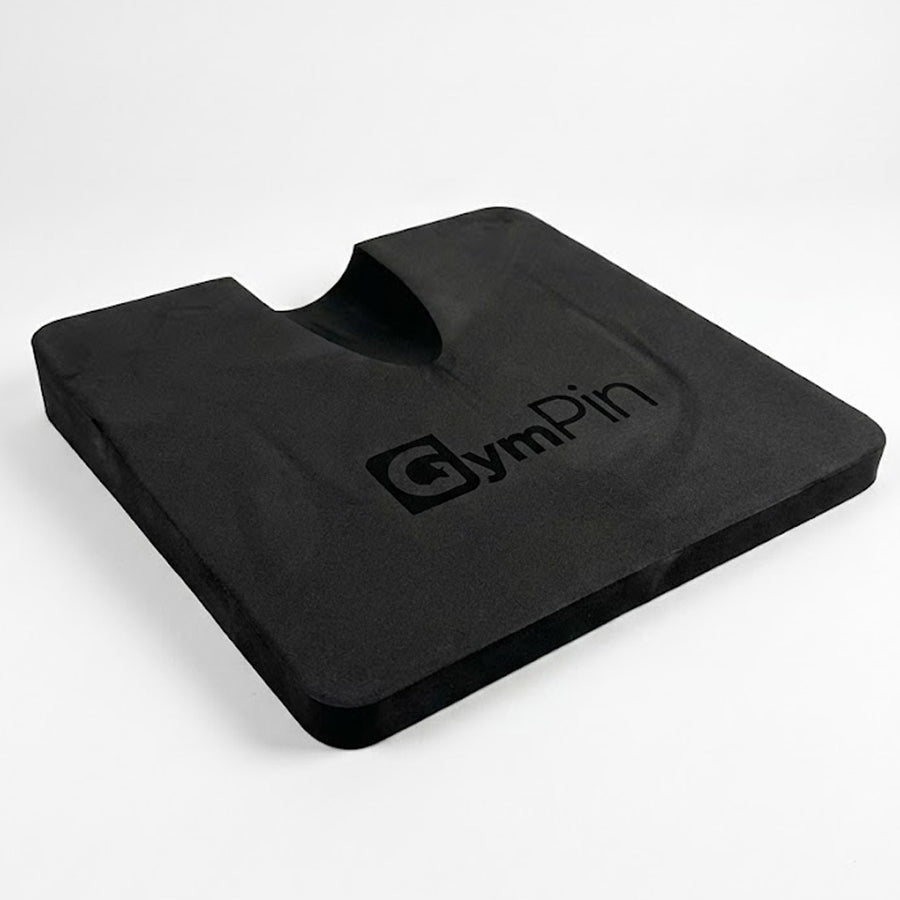
Use a stable stance, control the lowering phase and work through the deepest range you can own.
Set the machine for a controlled start position and finish each repetition without throwing the stack.
Keep the hips controlled and use knee flexion rather than momentum to move the resistance.
Maintain a balanced foot position and descend under control on compatible equipment.
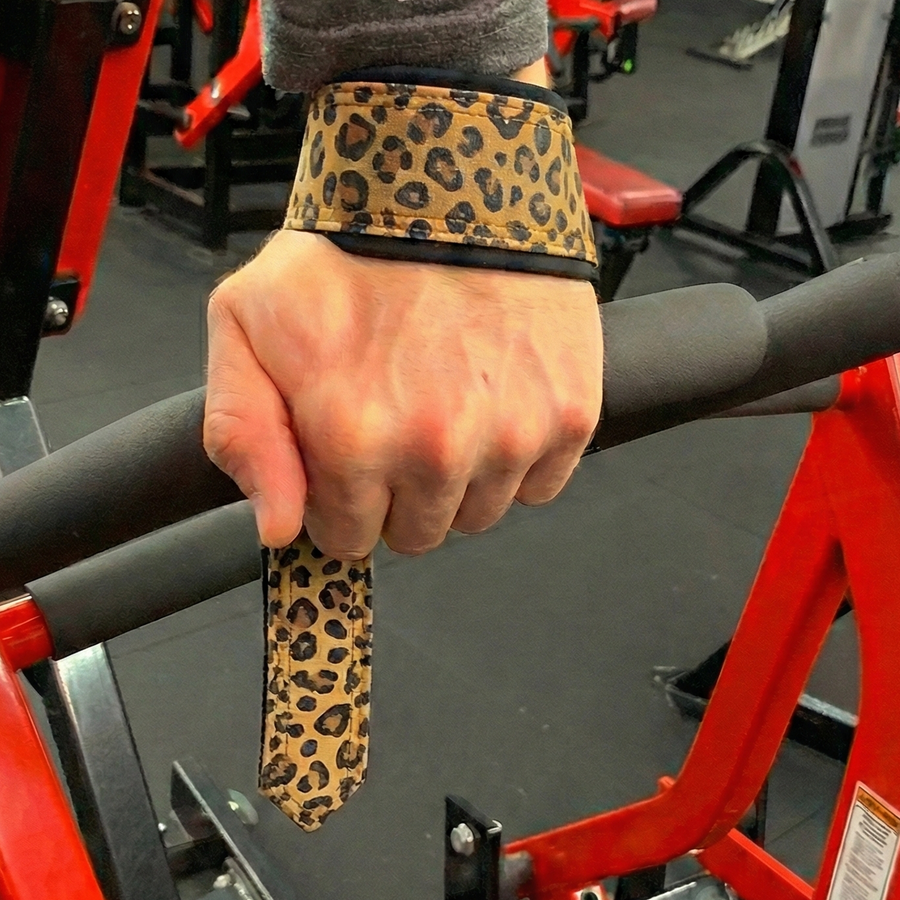
Push the hips back, keep the load close and stop where hamstring tension can be maintained.
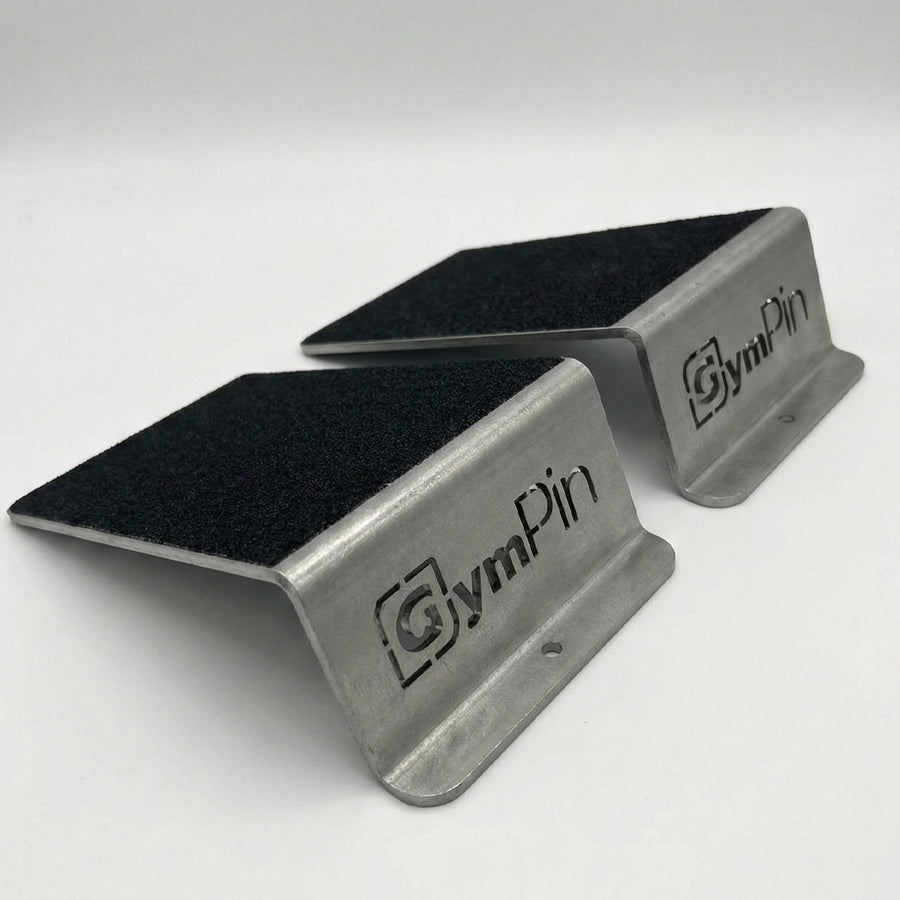
Use a repeatable stance and allow the working leg—not momentum—to control the repetition.
PRACTICAL PROGRAMMES
Squat pattern, leg extension, leg curl and calves.
Quads, posterior chain and mixed leg work across the week.
Reach the top of the rep range with sound form, then make the smallest sensible increase.
THE MASTER BUILD BIGGER LEGS SYSTEM
Every recommendation has a defined job. Check compatibility and use only products that solve a real limitation.
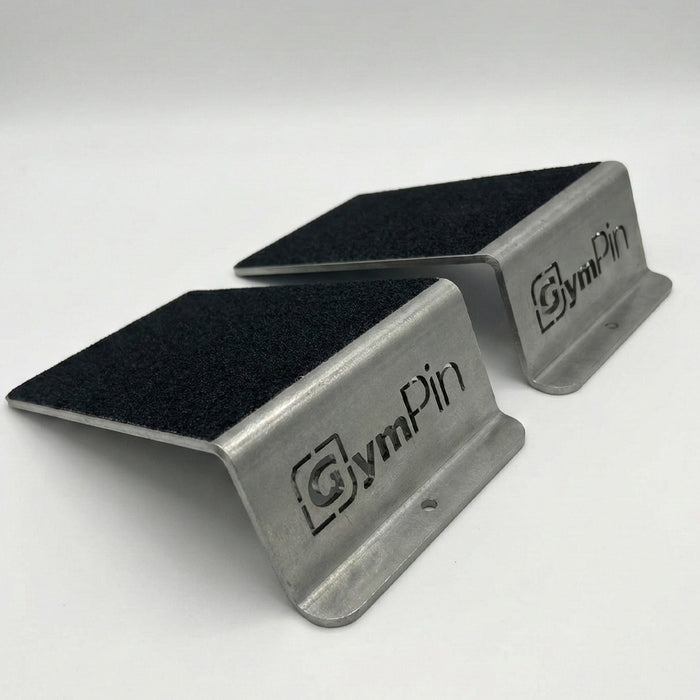
15-degree heel elevation for stable, controlled squat patterns.
VIEW PRODUCT →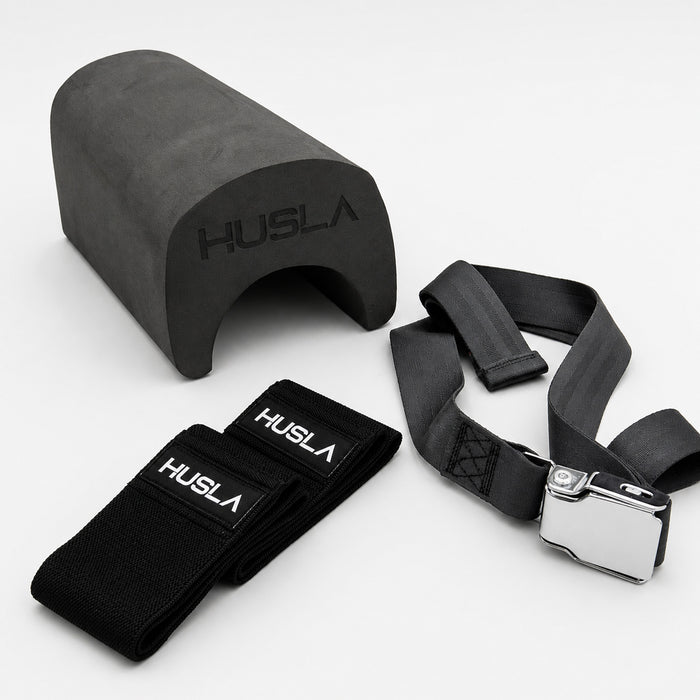
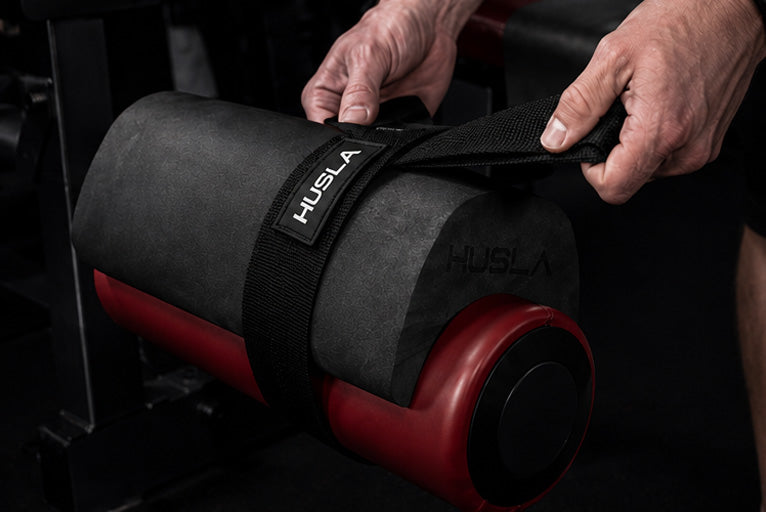
Increase usable range on compatible leg-extension machines.
VIEW PRODUCT →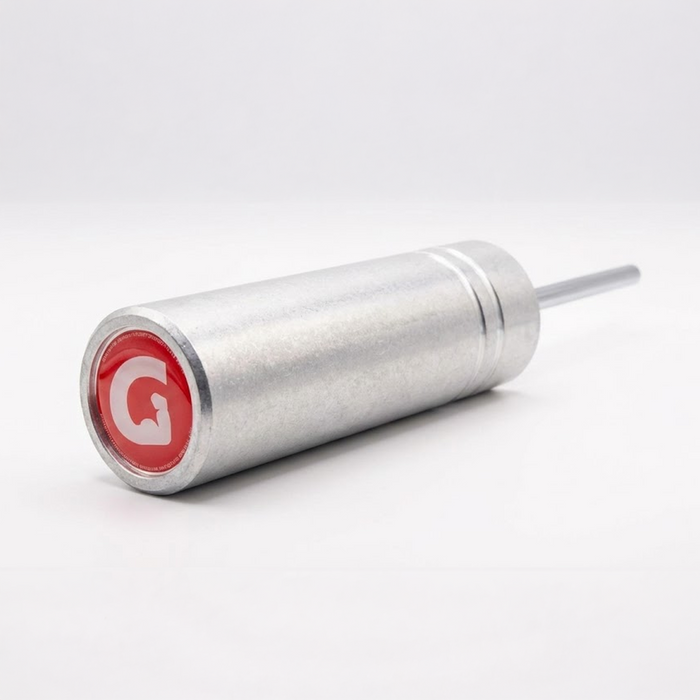
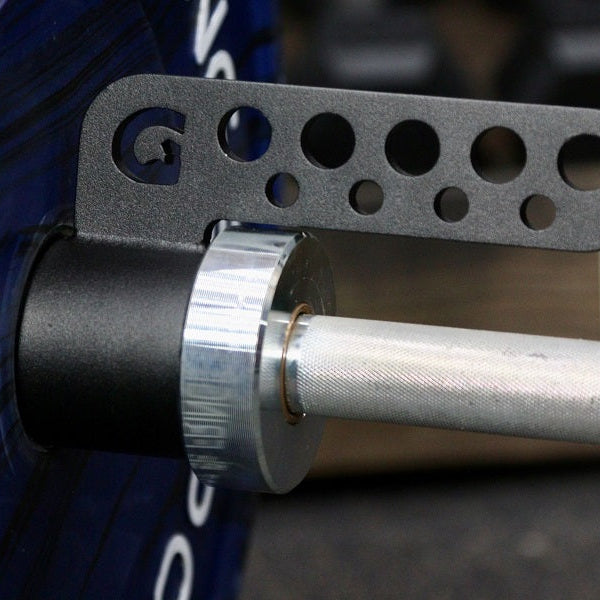
Add Olympic plates to compatible selectorised cable stacks.
VIEW PRODUCT →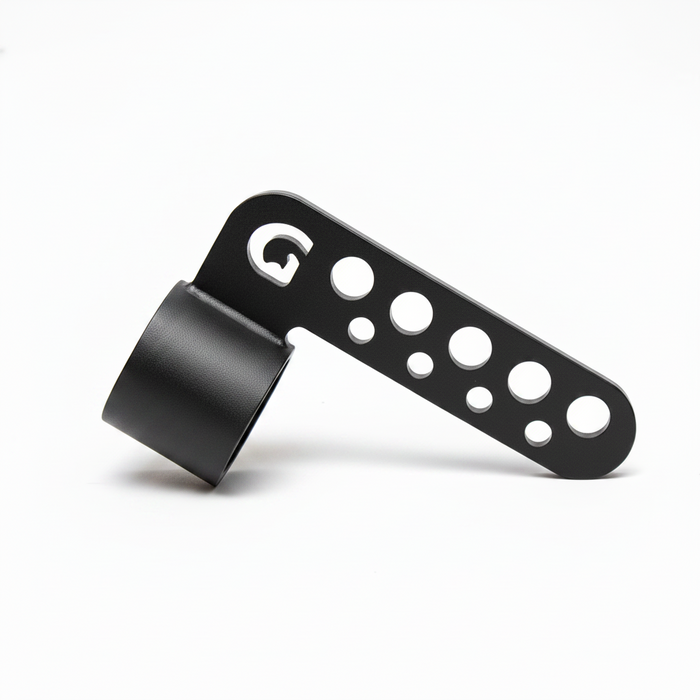
Build a practical belt-squat connection on compatible equipment.
VIEW PRODUCT →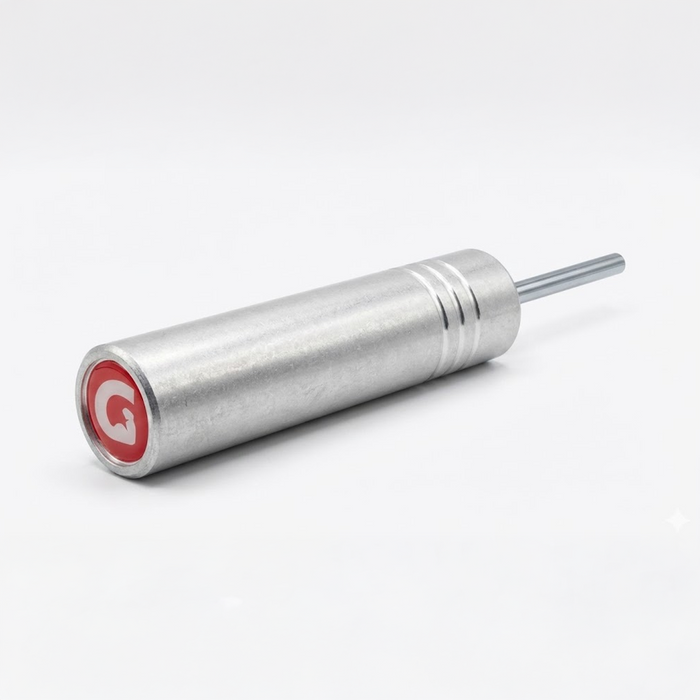
Additional loading space for compatible 10 mm weight stacks.
VIEW PRODUCT →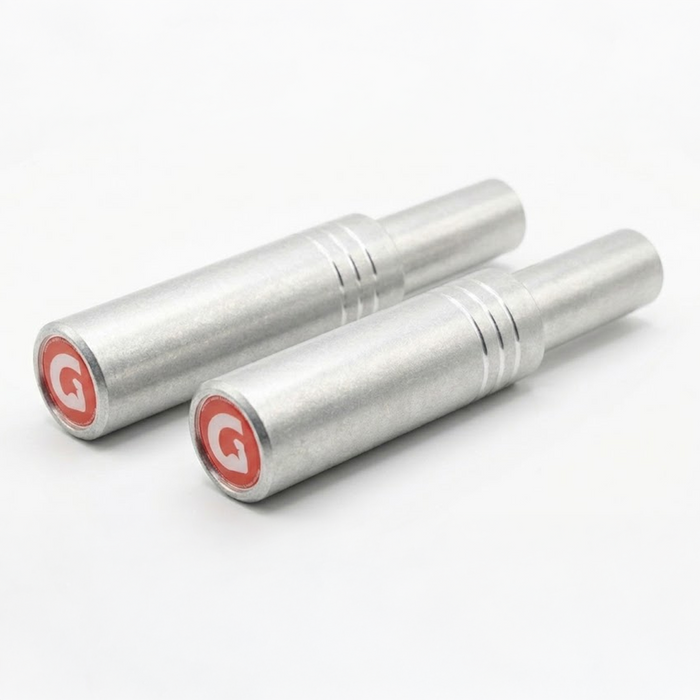
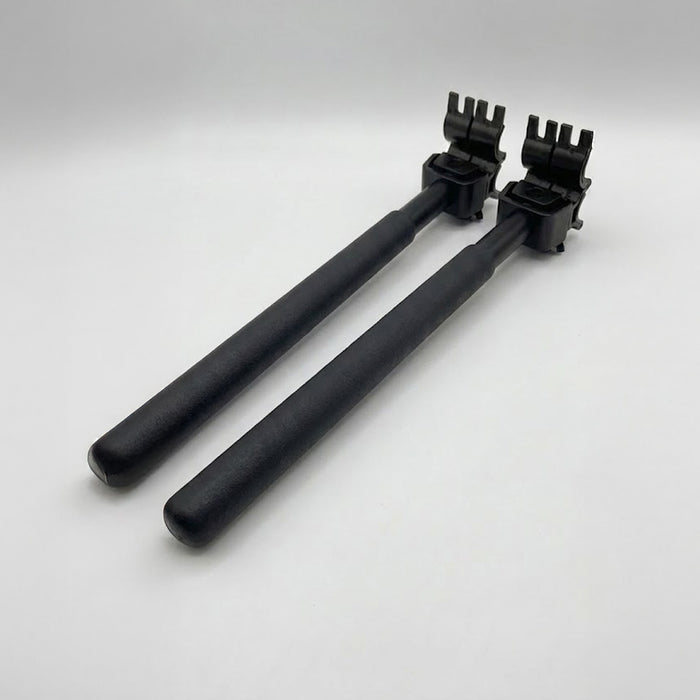
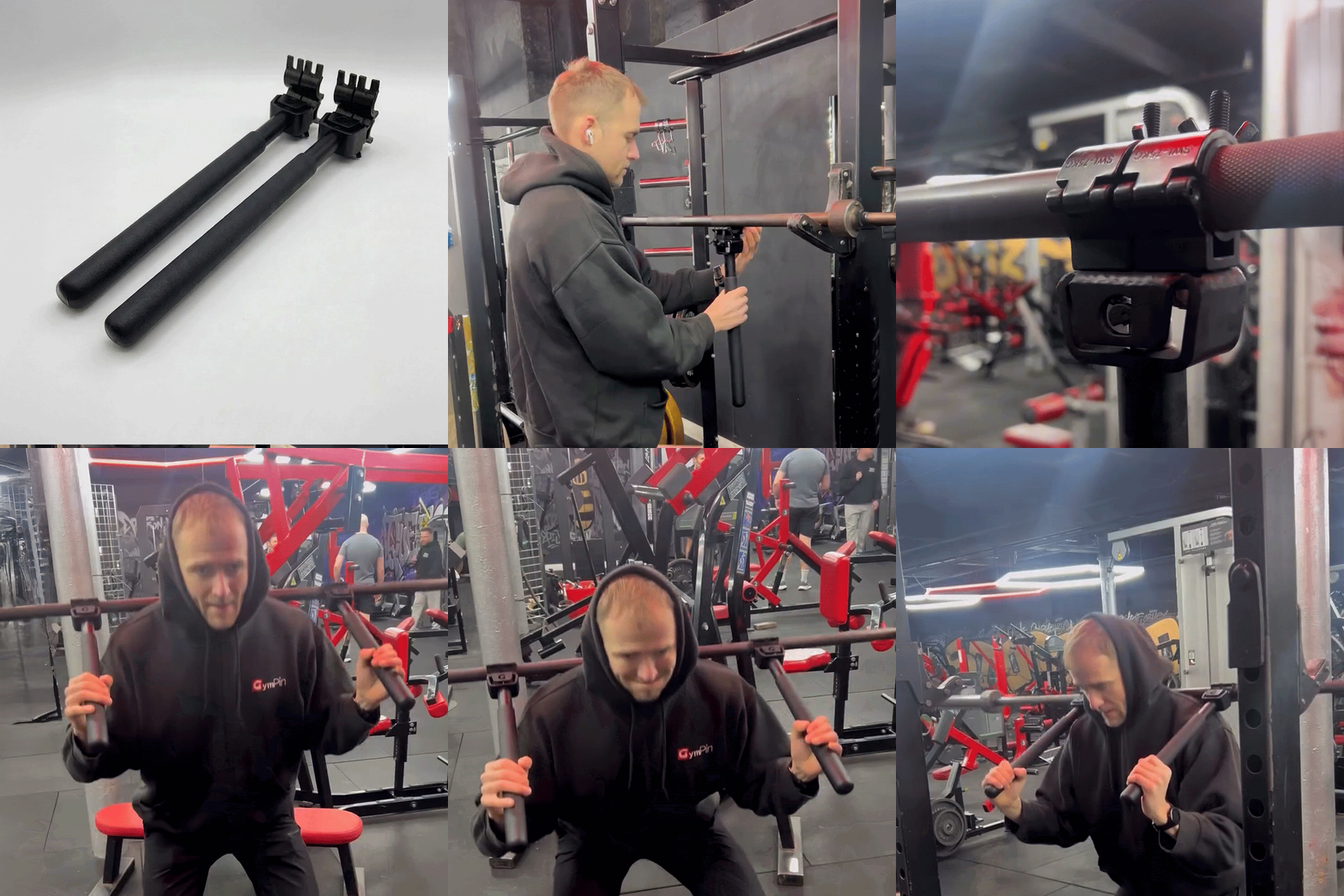
An alternative squat-bar position for restricted shoulder mobility.
VIEW PRODUCT →
Improve positioning and range on compatible lying leg curls.
VIEW PRODUCT →BUILD BIGGER LEGS FAQ
Most lifters can distribute effective lower-body work across two or three weekly sessions, allowing recovery and consistent progression.
Combine a squat pattern, knee extension, knee flexion and hip extension. Choose movements you can perform consistently through a productive range.
No. Progress can come from more controlled repetitions, improved range, better technique or a small load increase.
Start with a recoverable amount of hard work and add volume only when performance, technique and recovery remain sound.
No. Many productive sets can finish with one to three good repetitions still possible. Use failure selectively and safely.
Measure the shaft diameter of the machine’s existing selector pin. Never infer the size from the machine brand alone.
Measure the compatible receiver accurately and compare it with the product guidance before ordering.
No. Accessories do not increase the manufacturer’s rated capacity. Never overload equipment or slam a weight stack.
Several rep ranges can work when sets are challenging, controlled and progressively overloaded. Choose ranges that suit the movement and your joints.
Heel elevation can help some lifters maintain a more upright position and access a controlled squat range. It is a setup tool, not a substitute for good technique.
The hamstrings contribute to knee flexion and hip extension. Using both patterns provides more complete training.
No. Compatibility varies. Measure the relevant pin, receiver and loading components and obtain the equipment owner’s permission before use.
ONE COMPLETE SETUP
Select the correct bundle configuration, confirm every measurement and train with purpose.
