


GymPin Learning Centre
Build a Stronger Core
An evidence-led guide to core anatomy, bracing, trunk strength, progressive overload and equipment that solves genuine training limitations.

The practical answer
How do you build a stronger core?
Build a stronger core by training the trunk to resist extension, rotation and side-bending while also using controlled flexion where appropriate. Combine stable, measurable exercises with progressive overload, useful range of motion and repeatable bracing. Account for the substantial core work already created by squats, hinges, presses, rows and carries, then add direct work you can recover from.
Diagnose the problem
Why your core may not be getting stronger
Core strength rarely stalls because one secret exercise is missing. The usual causes are inadequate progression, poorly targeted movement, insufficient challenging volume or a recovery plan held together by optimism.
Only doing endless crunches
The core does more than flex the spine. Include anti-extension, anti-rotation, anti-lateral-flexion and loaded-carry work.
No progressive overload
High-repetition circuits can improve tolerance, but strength requires a measurable increase in load, leverage, range, repetitions or control.
Holding your breath without control
Bracing is not simply maximal breath-holding. Learn to create trunk stiffness while matching breathing strategy to the task.
Movement comes from the hips
Cable crunches, leg raises and rollouts often become hip-flexor or shoulder exercises when pelvic and ribcage position is lost.
Every set is unstable theatre
Unstable surfaces are tools, not proof of advanced training. Stable exercises usually make progressive loading easier to measure.
Fatigue exceeds recovery
The core works during heavy lifting and sport as well as direct training. Add enough targeted work to progress without turning every session into a recovery problem.
Anatomy made useful
The anatomy behind a stronger core
The core is a coordinated system rather than a single muscle. The rectus abdominis, obliques, transverse abdominis, spinal erectors, multifidus, diaphragm and pelvic floor work together to create movement, resist unwanted motion and manage pressure.
Rectus abdominis
The visible front abdominal muscle flexes the trunk and helps control the relationship between the ribcage and pelvis.
Practical pointTrain it with controlled cable crunches, reverse crunches and rollouts rather than chasing sensation alone.External obliques
These superficial side-wall muscles contribute to trunk rotation, side-bending and resisting unwanted movement.
Practical pointPallof presses, carries and controlled rotational work provide useful loading options.Internal obliques
Working beneath the external obliques, they assist rotation, side-bending and abdominal-wall tension.
Practical pointTrain the trunk in multiple planes while keeping the pelvis and ribcage controlled.Transversus abdominis
The deepest abdominal layer contributes to abdominal-wall tension and pressure management.
Practical pointIt works with the rest of the trunk rather than operating as a secret muscle activated by one magical cue.Erector spinae and multifidus
Posterior trunk muscles extend and stabilise the spine and help resist flexion under load.
Practical pointRows, hinges, carries and appropriately loaded trunk-extension work train this supporting system.Diaphragm and pelvic floor
These structures contribute to breathing and pressure regulation alongside the abdominal wall.
Practical pointEffective bracing coordinates pressure, posture and force rather than merely sucking the stomach inward.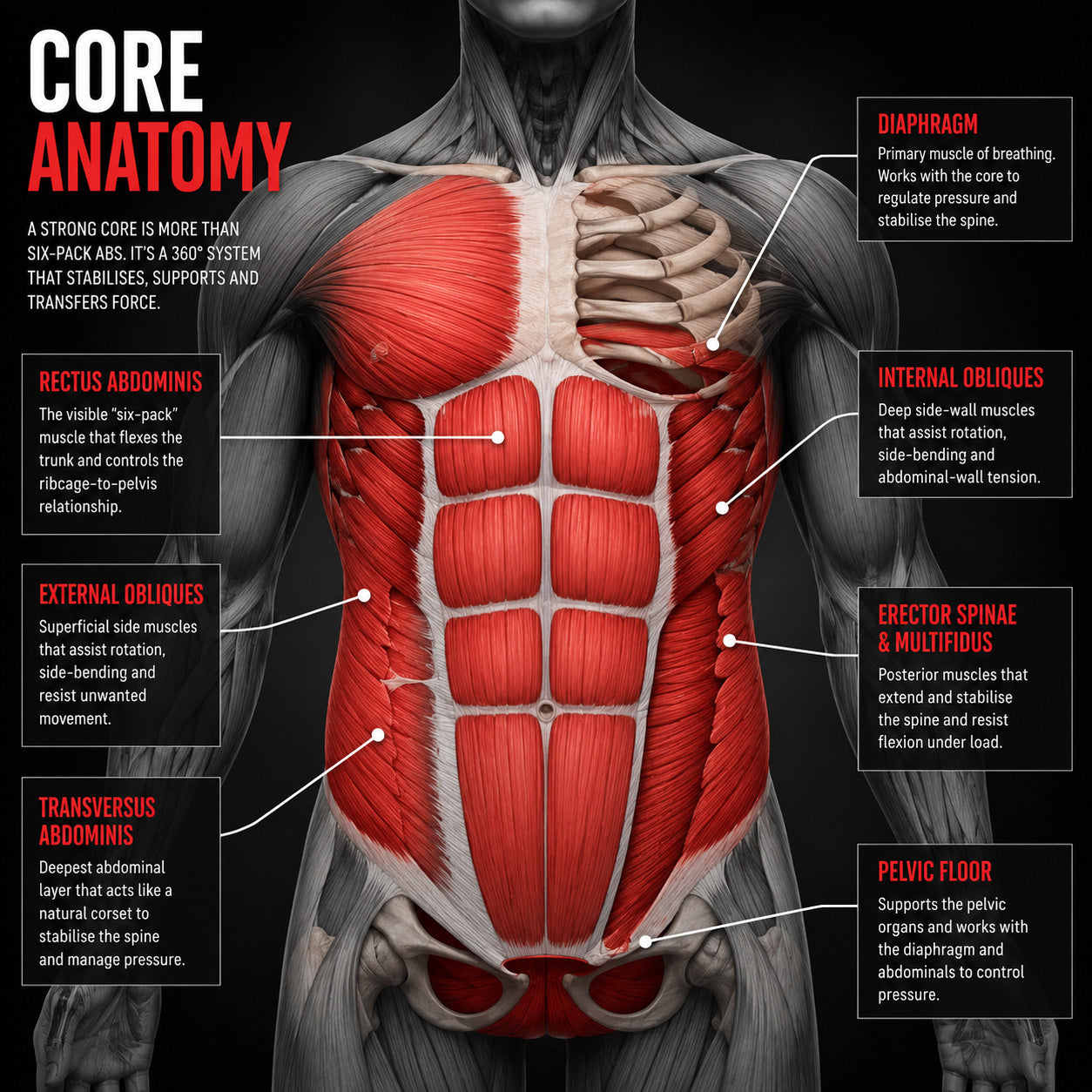
What the evidence supports
The principles that actually drive core strength
Exercise choice matters, but it works inside a larger system: sufficient effort, recoverable volume, progressive overload, useful range of motion and consistent recovery.
Anti-extensionResist the lower back arching during rollouts, dead bugs, planks and loaded movement.
Anti-rotationPrevent the cable, load or body position from turning the torso during Pallof presses, rows and carries.
Anti-lateral flexionResist side-bending during suitcase carries, offset loading and unilateral exercises.
Controlled flexionTrain the abdominals dynamically with cable crunches and reverse crunches when the movement is comfortable and deliberate.
Bracing and pressureCreate enough trunk stiffness for the task while coordinating breathing rather than treating every repetition like an underwater emergency.
ProgressionIncrease resistance, repetitions, range, leverage, tempo or duration while preserving position and control.
Exercise library
Exercises that build a stronger core
No single exercise builds a complete core. Choose a small group of movements that train anti-extension, anti-rotation, anti-lateral flexion and controlled trunk flexion, then progress them without losing position or control.
ANTI-EXTENSION
DEAD BUG
The dead bug teaches the core to resist lower-back extension while the arms and legs move independently.
Coaching cuePress the lower back gently into the floor and extend opposite limbs without losing trunk position.
Common mistakeMoving too far and allowing the lower back to arch away from the floor.
ANTI-ROTATION
Pallof press
The Pallof press challenges the trunk to resist rotation while the arms move away from the body.
Coaching cueStand square to the cable, brace the trunk and press the handle forward without allowing the hips or ribs to rotate.
Common mistakeUsing too much resistance and leaning away from the cable instead of resisting rotation.
Anti-extension
AB WHEEL ROLLOUT
The ab wheel rollout builds strong trunk control by forcing the core to resist extension as the body reaches forward.
Coaching cueBrace before moving, keep the ribs down and only roll as far as you can maintain a neutral spine.
Common mistakeAllowing the hips to drop and the lower back to arch at the end of the movement.
SPINAL FLEXION
CABLE CRUNCH
The cable crunch trains the abdominal muscles through controlled spinal flexion while allowing resistance to be progressively increased.
Coaching cueBring the ribs towards the pelvis and initiate the movement through the trunk rather than pulling with the arms.
Common mistakeHinging at the hips while keeping the spine rigid instead of actively contracting the abdominals.
ANTI-LATERAL FLEXION
SUITCASE CARRY
The suitcase carry strengthens the core by challenging the body to remain upright while carrying weight on one side.
Coaching cueStand tall, keep the shoulders level and walk without allowing the loaded side to pull the torso down.
Common mistakeLeaning away from the weight rather than maintaining a controlled and neutral position.
TRUNK CONTROL
HANGING KNEE RAISE
The hanging knee raise develops abdominal and pelvic control while also challenging grip and shoulder stability.
Coaching cueTilt the pelvis upward and raise the knees without swinging or using momentum.
Common mistakeSimply lifting the thighs while allowing the lower back to remain extended and the body to swing.
Adjustable resistance
Why cables work so well for core training
Cables let you alter height, stance and line of pull while providing measurable resistance. They are particularly useful for Pallof presses, cable crunches, chops, lifts and unilateral patterns because the load can challenge the trunk from several directions.
- Use a rope or independent handle that allows a secure, repeatable grip.
- Set cable height to match the intended pattern: high for crunches, chest height for Pallof presses and low for lifts.
- Choose enough resistance to challenge the trunk without the hips, arms or momentum taking over.
- Keep ribs and pelvis organised as the cable tries to extend or rotate the torso.
- Progress only after the starting position and cable clearance remain consistent.
Training solution
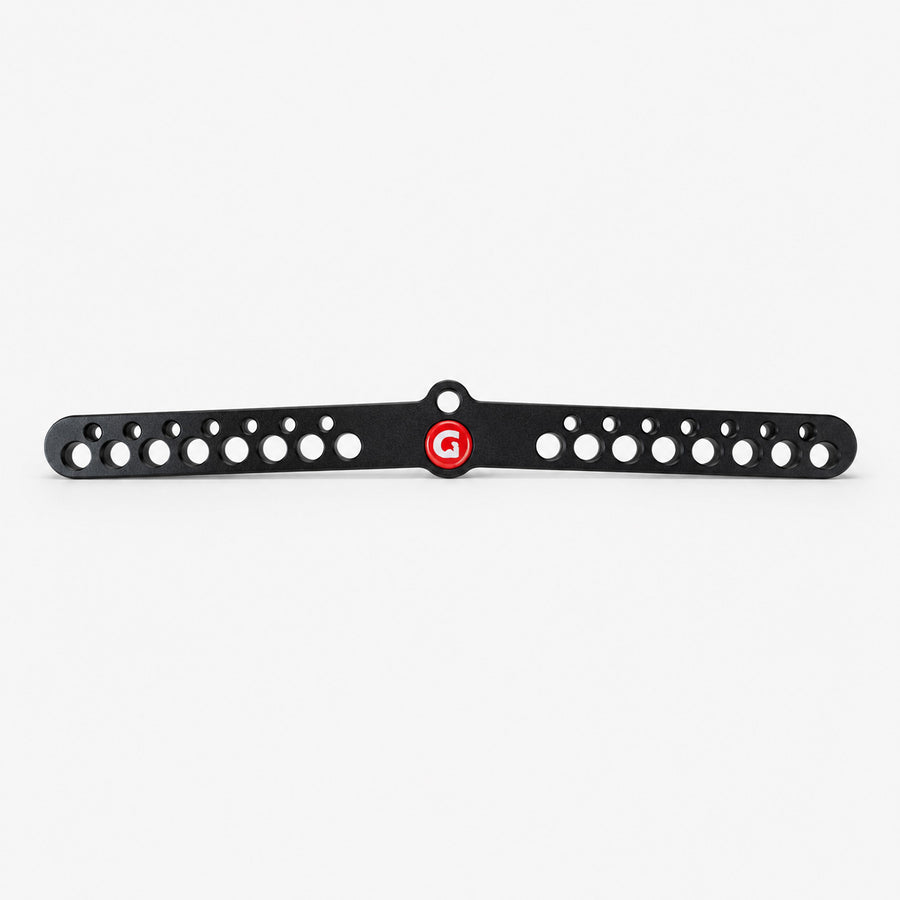
D Handle Bar by GymPin
Explain exactly which training or equipment limitation this product solves.
Train the core. Respect the spine.
Core training should respect the spine and joints
There is no universally perfect brace, range or exercise. Select positions and loads that challenge the trunk without sharp or worsening pain, and modify leverage, range or resistance before simply adding more weight.
- Brace for the task.A heavy carry, cable crunch and dead bug require different levels of stiffness and breathing control.
- Control the ribcage and pelvis.Avoid gaining false range by flaring the ribs, arching aggressively or swinging the legs.
- Choose joint-friendly leverage.Shorten the lever, reduce range or change the handle when the shoulders, hips or lower back become the limiting factor.
- Modify pain, do not perform around it.Reduce load or range, choose another pattern and seek qualified assessment for persistent or worsening symptoms.

Training solution
The Core Bundle
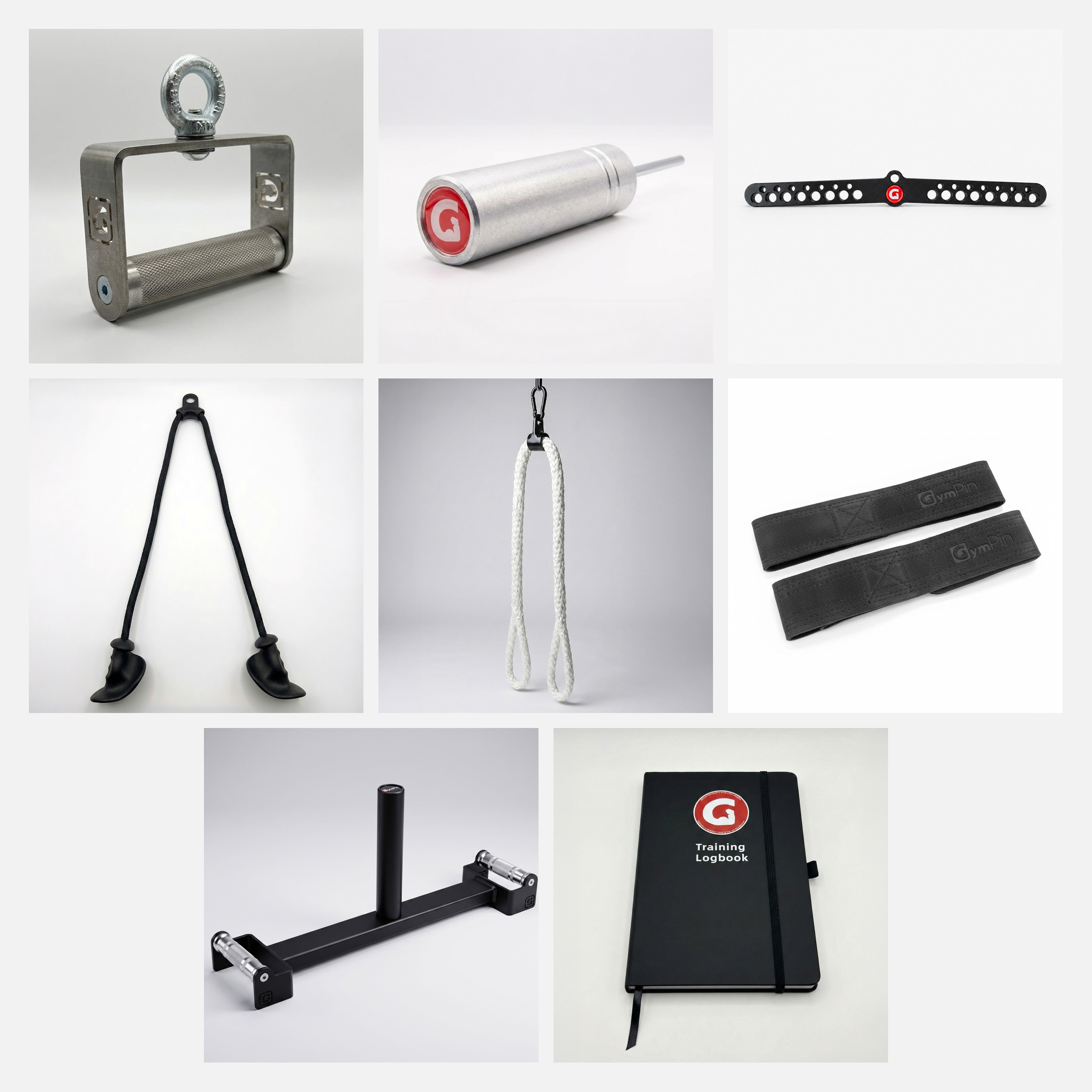
The core bundle is everything you need to work your core. Discounts start 10% for the bundle.
Independent social proof
What customers say
See how lifters use GymPin products across real cable, machine and home-gym setups.
Solve the real limitation
When the setup becomes the limiting factor
Equipment should enter the conversation only when it improves loading, fit, stability, movement freedom or progression. These recommendations are organised by the problem they solve.
The cable stack is too light
A compatible GymPin loading solution can extend resistance for cable crunches, Pallof presses and rotational patterns. Confirm pin size, clearance and machine limits first.
The attachment limits the movement
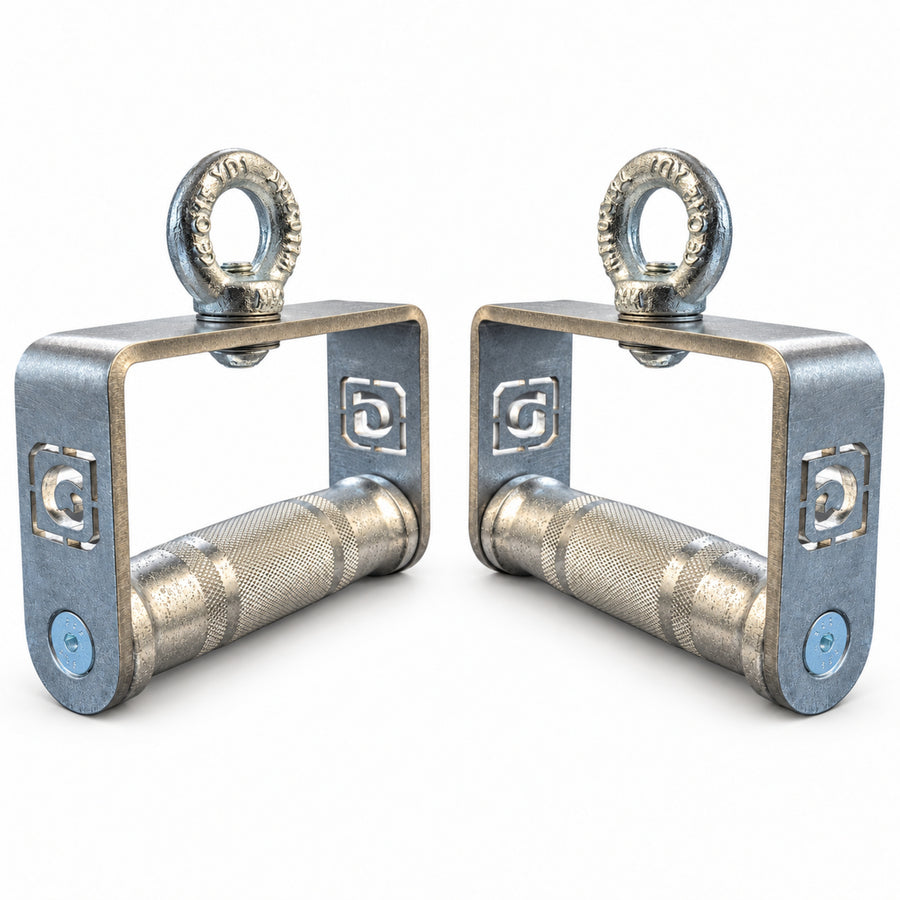
A long rope or independent handles can provide a more secure grip and a cleaner path for loaded flexion, anti-rotation and diagonal cable work.
Heavy carries need secure loading
Compatible loading solutions can help build progressive carries and trunk-stability work without relying on increasingly awkward improvisation.
Posterior-chain equipment needs more load
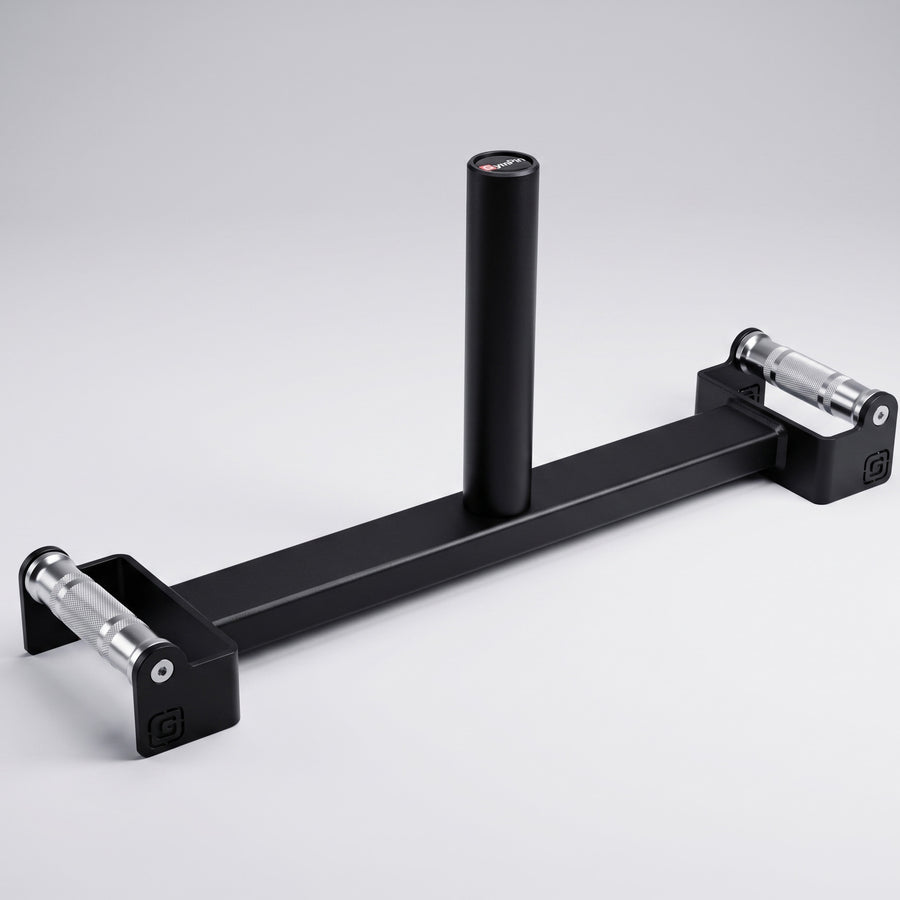
The Hyper Loader belongs where compatible plate-loaded or specialist equipment limits heavy back-extension, hinge or loaded-carry progression.
Training solution
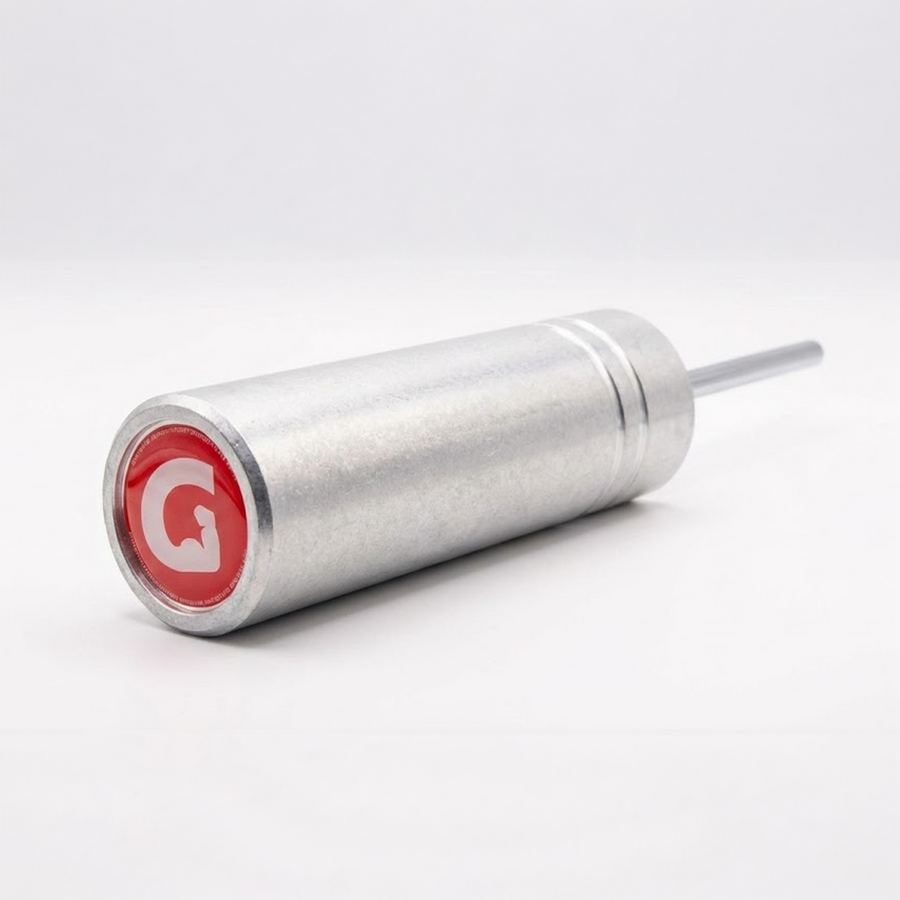
The Original 2" GymPin Cable Stack Extender
Explain exactly which training or equipment limitation this product solves.
Training solution
Fixed D Handle
Explain exactly which training or equipment limitation this product solves.

Training solution
GymPin Long Ropes | Tricep ERGO Handles
Explain exactly which training or equipment limitation this product solves.
Training solution
D Handle Bar by GymPin
Explain exactly which training or equipment limitation this product solves.

Training solution
GymPin Padded Leather Weight Lifting Straps
Explain exactly which training or equipment limitation this product solves.

Training solution
Training Logbook
Explain exactly which training or equipment limitation this product solves.

Training solution
Super Long Looped Tricep Ropes
Explain exactly which training or equipment limitation this product solves.
Training solution
Hyper Loader 10 INCH
Explain exactly which training or equipment limitation this product solves.
Programming examples
Core training templates
Use these as starting points, not commandments. Adjust exercise choice, set volume and frequency to training age, recovery and available equipment.
Beginner · twice weekly
Control before load
- Dead bug — 3 × 6–10 per side
- Pallof press — 3 × 8–12 per side
- Suitcase carry — 3 × 20–40 metres per side
Stop each set before position or breathing becomes chaotic.
Intermediate · twice weekly
Flexion and anti-movement
- Day 1: cable crunch 3–4 sets; ab-wheel rollout 3 sets
- Day 2: Pallof press 3 sets; hanging knee raise 3 sets; suitcase carry 3 sets
Use controlled repetitions and increase load only when the trunk remains organised.
Advanced · 2–3 sessions
Integrated trunk strength
- Heavy cable flexion
- Long-lever anti-extension
- Loaded carries and anti-rotation
Distribute direct work around heavy compound lifting so local fatigue does not compromise the rest of the programme.
The supporting system
Core strength still depends on the boring fundamentals
Whole-body strengthSquats, hinges, presses, rows and carries train the core as part of an integrated system.
Direct trainingAdd targeted flexion and anti-movement exercises when compound lifts do not fully address the goal.
BreathingPractise creating trunk stiffness while maintaining enough breathing control for the task and set duration.
Progressive loadingRecord resistance, repetitions, range, leverage and duration so progression is real rather than imaginary.
RecoveryAllow soreness and fatigue to settle before repeating demanding trunk work, particularly around heavy squats and hinges.
ConsistencyA stronger core is built through months of repeatable loading, not seven minutes of punishment discovered in a social-media reel.
Frequently asked questions
Core training questions, answered
Practical answers on exercise choice, frequency, bracing, cables, progression and lower-back considerations.
How often should I train my core?
Most people can train their core two to four times per week, depending on exercise selection, volume and recovery. Include a mixture of controlled resistance work and stability exercises rather than performing high-repetition abdominal work every day.
What are the best exercises for building a stronger core?
A complete core programme should include exercises that train the trunk to resist extension, rotation and lateral movement, alongside controlled spinal flexion. Dead bugs, Pallof presses, rollouts, cable crunches, carries and hanging knee raises provide a useful starting point.
How should I brace my core correctly?
Take a controlled breath and create tension around the entire midsection, as though preparing to absorb pressure from every direction. Avoid simply pulling the stomach inward. Maintain the brace while continuing to breathe during the exercise.
Are cable exercises effective for core training?
Yes. Cable machines provide consistent resistance and allow the load to be adjusted precisely. They are particularly useful for Pallof presses, cable crunches, chops and anti-rotation exercises because resistance can be progressed gradually.
How do I progressively overload core exercises?
Increase resistance, repetitions, range of motion or time under tension while preserving good trunk position. Progress only when you can complete the current variation without losing control, arching the lower back or relying on momentum.
Can I train my core if I have lower-back pain?
Core training may be helpful, but pain should not be ignored or trained through blindly. Begin with controlled, low-load exercises and avoid movements that aggravate symptoms. Persistent, severe or radiating pain should be assessed by an appropriately qualified healthcare professional.
Train the trunk. Improve the setup.
Build a stronger core. Remove the limits.
Choose productive movements, progress them patiently and use equipment only when it solves a genuine limitation.