


GymPin engineering
Cheap GymPin vs the Original: What’s the Difference?
Not every weight stack extender is built in the same way. A cheap GymPin-style product may appear to solve the same problem, but its construction, dimensions and compatibility can make a significant difference once additional weight is placed on a moving cable stack.
In the video below, GymPin co-founder Ben compares a low-cost weight stack extender bought online with a genuine GymPin. He also explains how the original product developed from a rough welded prototype into a purpose-designed training tool manufactured in the UK.
Watch: Cheap weight stack extender vs GymPin
Ben explains the design lessons behind the genuine GymPin.
What is a GymPin?
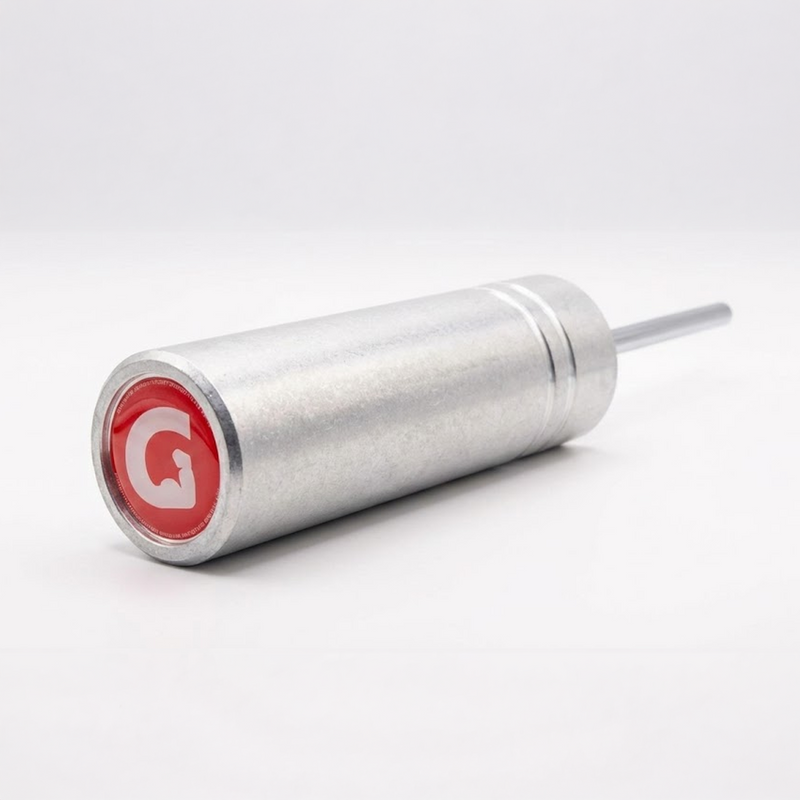
A GymPin is a cable machine weight stack extender. It replaces the standard selector pin in a compatible selectorised machine and provides a loading sleeve for 2-inch Olympic weight plates.
That means a lifter who has reached the top of the built-in weight stack can continue applying measurable progressive overload without replacing the entire machine. It can be useful for heavy cable rows, pulldowns, presses, curls and triceps movements—provided the machine is compatible and the additional load remains within the safe capability of the complete setup.
Learn how to add more weight to compatible gym machines →
Why was the original GymPin created?
The idea began in 2020 when Ben reached the limit of a machine’s existing weight stack. The first solution was not a polished commercial product. It was a simple prototype made from scrap metal for personal use.
That early version taught the founders two important lessons: a load-bearing design must be considered as a complete structure, and a product that works on one machine may not fit the many different stack and guard layouts found across home and commercial gyms.
The prototype was rejected, redesigned and tested again. That development process shaped the genuine GymPin range available today.
The real difference
Cheap extender vs genuine GymPin
Low-cost example tested
Welded construction, restrictive collar and bent during Ben's test.
Genuine GymPin
Purpose-designed dimensions, documented compatibility and UK precision manufacturing.
Cheap GymPin vs genuine GymPin: what is the difference?
The inexpensive extender shown in Ben’s comparison cost approximately £20. During the test, it bent quickly. That result applies to the product tested in the video; it does not prove that every lower-priced extender is made identically. It does, however, demonstrate why construction and compatibility should matter more than appearance alone.
| What to compare | Why it matters | What to check before buying |
|---|---|---|
| Load-bearing construction | Added plates create leverage and repeated loading forces. | Materials, joining method, stated load guidance and quality control. |
| Selector-pin diameter | An incorrectly sized pin may not fit securely or may not fit at all. | Measure the machine accurately; common GymPin options are 8 mm and 10 mm. |
| Collar and profile | Bulky collars can interfere with narrow stack openings or guards. | Check the available space around the selector hole—not only the hole diameter. |
| Plate clearance | Loaded plates must move freely without contacting the frame, guards, cables or guide rods. | Inspect the entire path of travel before training. |
| Instructions and support | Compatibility and safe-use guidance are part of the product. | Look for clear specifications, fitting help and realistic loading advice. |
1. A weld can become a critical point
A welded component is not automatically weak; correctly specified and executed welds are used throughout demanding engineering applications. The important question is whether the complete product—including its materials, geometry, weld design and manufacturing quality—has been engineered for the forces it will experience.
In GymPin’s early prototype, the welded area became the point where the design failed. The inexpensive example tested in the video also bent quickly. GymPin therefore developed a different construction rather than simply reproducing that initial welded concept for sale.
2. A collar can restrict machine compatibility
Some inexpensive extenders use a prominent collar around the selector-pin end. Although it may look substantial, that collar can prevent the product from entering machines with a narrow opening or a close-fitting guard around the stack.
Ben specifically highlights the restricted space found on some commercial selectorised machines. The lesson is simple: do not assume a weight stack extender will fit because its pin diameter appears correct. The surrounding profile and available clearance matter too.
3. The KingPin is built for heavier progression
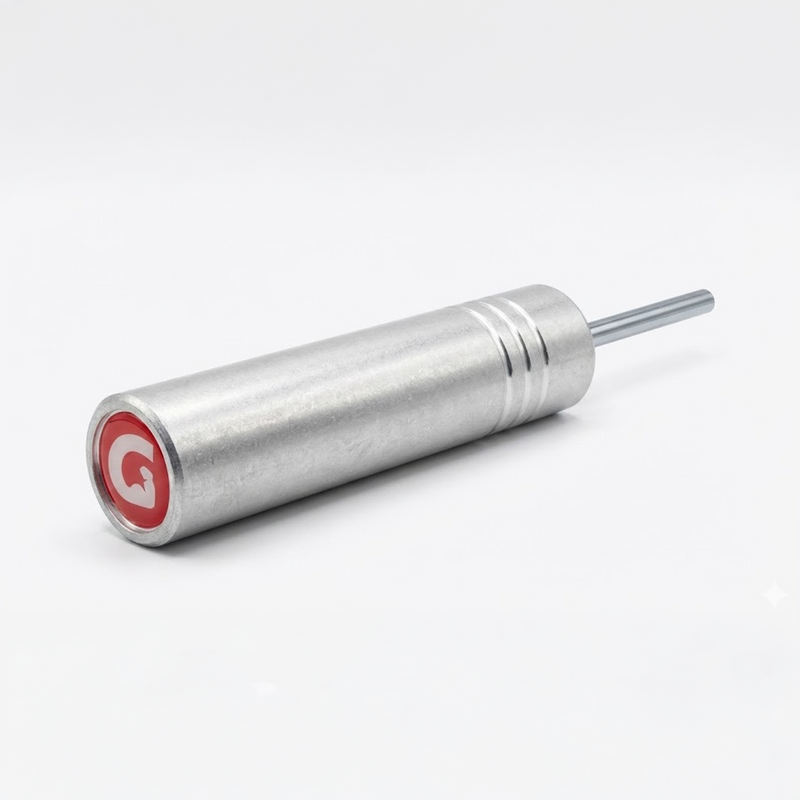
The KingPin shown in the video is GymPin’s extra-long 10 mm cable machine weight stack extender. It is precision-manufactured from aluminium and high-tensile construction-grade steel, giving it a combination of strength, stability and gym-bag portability.
It accepts 2-inch Olympic plates and has a recommended maximum additional load of 60 kg. The KingPin is available in 10 mm only and should never be forced into an unsuitable machine.
For machines using an 8 mm selector pin—or for lifters who do not require the KingPin’s extra sleeve length—the Original 2-inch GymPin is available in both 8 mm and 10 mm options.
4. Purchase price is not the same as long-term value
A £20 extender appears cheaper than a genuine GymPin at the checkout. The calculation changes if the cheaper product bends, becomes unusable and must be replaced.
A durable training tool used every week for several years can have a very low cost per session. A product bought twice—or replaced before it has delivered meaningful use—may prove more expensive despite its lower initial price.
Buy cheap, buy twice is not simply about branding. It is about choosing equipment whose construction, fit and intended use match the job.
GymPin
How to choose a weight stack extender safely
- Measure the existing selector pin. Confirm whether the machine requires an 8 mm or 10 mm pin—or a different size.
- Inspect the stack opening. Check for guards, narrow gaps or other features that could obstruct the extender.
- Check plate clearance. Olympic plates must travel freely through the machine’s full range of motion.
- Confirm the machine’s limits. A weight stack extender creates another way to load the machine; it does not increase the rating of its cables, pulleys, frame or stack assembly.
- Get permission. Ask the owner before attaching additional loading equipment to a machine that is not yours.
- Train under control. Fully insert the pin, load sensibly, use controlled repetitions and never slam the stack.
- Inspect before every use. Stop immediately if the extender or machine appears damaged, unstable or abnormal.
Ready to move beyond the stack? Use our complete loading guide to check compatibility, then compare the Original GymPin and KingPin options selected below.
Choose your GymPin
Compatibility and safety
Frequently asked questions
Are cheap GymPin alternatives safe?
Price alone cannot determine whether a weight stack extender is safe. Check its materials, construction, dimensions, loading guidance and suitability for the exact machine.
Will a GymPin fit every cable machine?
No. Compatibility depends on selector-pin diameter, stack design and available clearance for the GymPin and loaded Olympic plates.
What is the difference between the Original GymPin and the KingPin?
The Original GymPin is available in 8 mm and 10 mm versions. The extra-long KingPin is designed for compatible 10 mm stacks and has a recommended maximum additional load of 60 kg.
Can a GymPin increase a machine's rated capacity?
No. A GymPin creates an additional loading method but does not change the safety rating of the machine, cables, pulleys, frame or weight-stack assembly.